 |
 |
 |
 |
 |
 |
 |
 |
 |
|||
 |
 |
|
|||||||
 |
|||||||
 |
|||||||
 |
|||||||
 |
|||||||
|
|||||||







|
||||||
 |
||||||
 |
||||||
 |
||||||
|






 |
 |
 |
 |
 |
 |
 |
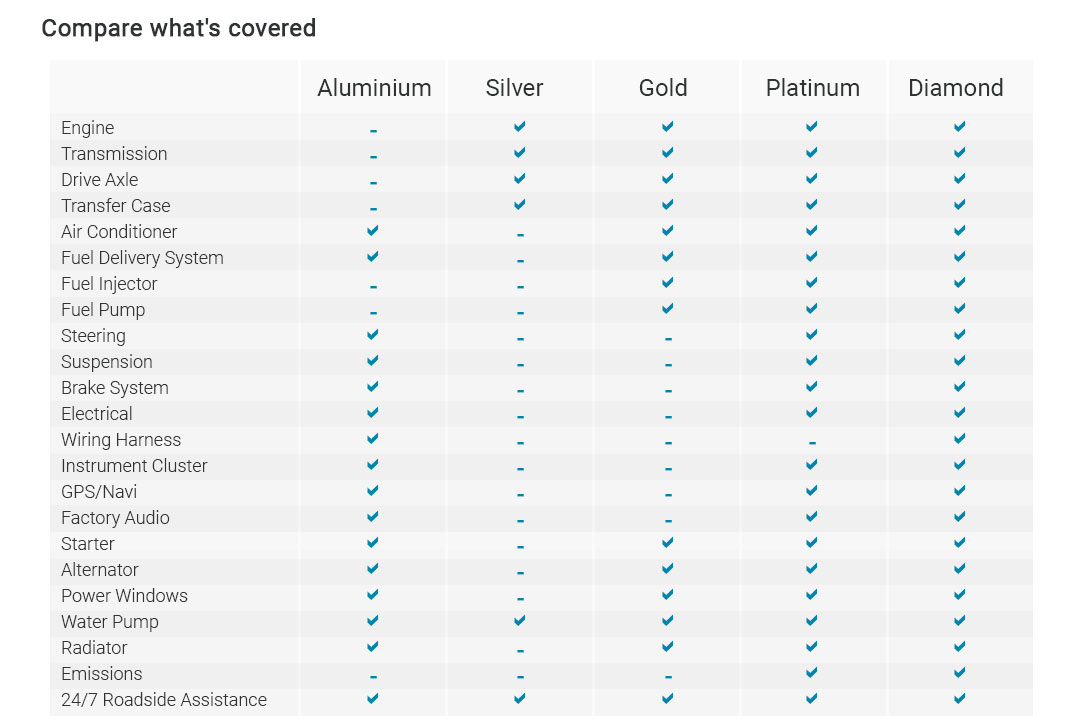
century limited powertrain warranty overview for careful driversWhat it is, in plain termsThis coverage focuses on the parts that make the car move: engine, transmission, and drive components. It is limited, which means named parts are covered and wear items usually are not. Think of it as protection for the big-ticket mechanical failures that would otherwise punch a hole in a tight budget. How it compares
Typical coverage scope (varies by contract)
Gaskets, fluids, and diagnostics may be covered only when tied to a covered repair. That detail matters. Eligibility and term basics
Costs and value, from a budget-first viewRepairs like a transmission rebuild can cost several thousand dollars. A limited powertrain warranty doesn't erase routine maintenance, but it can tame the rare, expensive surprises. I look for a deductible I can afford and avoid paying for coverage that mirrors existing factory protection. Support and claims experience
Roadside assistance may be included on some plans, but not all. If offered, note the phone number and towing limits. A quiet, real-world momentOn a Sunday return trip, the transmission warning light flickered once on a gently used sedan. I pulled into a well-lit station, checked the paperwork, and saw the century limited powertrain warranty details and claim line. One call clarified next steps and where to tow if it returned - no drama, just a plan. The light never came back, but the calm was worth something. What to watch for
Alternatives if your needs differ
Quick comparison checklist
Light FAQDoes it cover wear-and-tear? Generally no, unless specified. Is a check engine light enough to file? Yes, start the conversation early. Can I maintain the car myself? Often yes, but keep receipts and follow intervals. Support, if you need itKeep three things handy: the contract number, the claims phone line, and your last two service receipts. A quick call before the shop tears down parts can save time and misunderstandings. Closing thoughtA century limited powertrain warranty can be a sensible layer for big-mechanical risks, especially if you plan to keep the car beyond the sweet spot of factory coverage. The fine print and the support team make the difference - and there's room to fine-tune the fit as your driving and budget evolve.
Main Topic:
Powertrain Warranty Coverage
https://centurywarranty.com/
Century Warranty Services provides vehicle protection plans to protect your car. https://www.consumeraffairs.com/auto_warranty/century_warranty.html
The Power Care plan from Century Warranty is a basic car warranty, also known as a powertrain warranty. This plan is best for those wanting affordable coverage ... https://www.centuryservicecorp.com/vehicle-services/limited-warranty/
Short term limited warranties, including: 3 month/3,000 miles, 6 month/6,000 miles, or you name the term. Systems Covered. Engine: All internally lubricated ...
|
